Reviewing Embroidery and Beading on Vintage Postcards
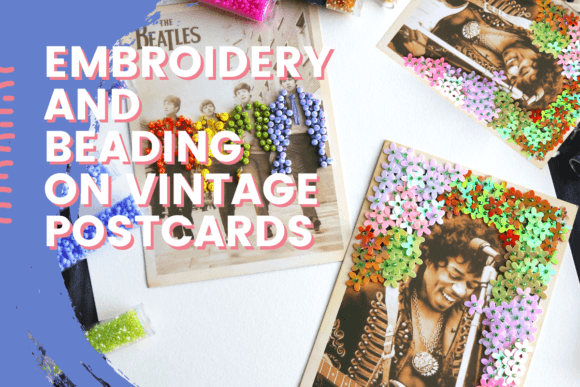
As an embroidery seller who has spent years curating designs for my Etsy shop, I am always on the lookout for digital assets that offer more than just a pretty stitch pattern. I look for designs that tell a story, evoke nostalgia, and provide a tangible sense of value to the finished product. Recently, I came across Embroidery and Beading on Vintage Postcards on Creative Fabrica, and it immediately caught my attention. This is not just another standard machine embroidery design; it is a class led by Julia Shore, a modern fiber artist from California, focusing on transforming vintage postcards or pictures into textured art pieces through embroidery and beading.
For those of us running a craft business, the distinction between a simple digitized file and a creative technique class is crucial. While many sellers search for a quick-to-stitch embroidery file for high-volume production, there is a growing market for unique, one-of-a-kind handmade products that command higher price points. This product sits at the intersection of traditional machine efficiency and handcrafted artistry, offering a fresh approach for sellers looking to diversify their offerings.
The Aesthetic Appeal and Market Fit
The visual personality of Embroidery and Beading on Vintage Postcards leans heavily into the rustic, elegant, and nostalgic categories. In a marketplace saturated with bold, minimal, or overly cute designs, this approach offers a sophisticated alternative. It appeals to buyers who appreciate slow fashion, heirloom quality, and the tactile beauty of mixed media. The combination of vintage imagery with the shimmer of beads and the texture of thread creates a premium feel that is difficult to replicate with standard machine-only embroidery.
This aesthetic is particularly well-suited for boutique merchandise and personalized gifts. Imagine a vintage postcard of a coastal town, enhanced with subtle French knots and seed beads to highlight the waves or sky. This is not just decor; it is a conversation piece. For Etsy sellers, this means your listings can stand out in search results by offering something that feels curated and artistic rather than mass-produced. It supports the narrative of the handmade product being a labor of love, which is a powerful selling point for creative entrepreneurs.
Product Applications for Small Shops
When evaluating a new addition to my product collection, I always ask: "Where does this fit?" While Embroidery and Beading on Vintage Postcards is technically a class on transforming paper items, the techniques taught are highly applicable to various textile bases. Here is how I envision integrating these skills into a small shop inventory:
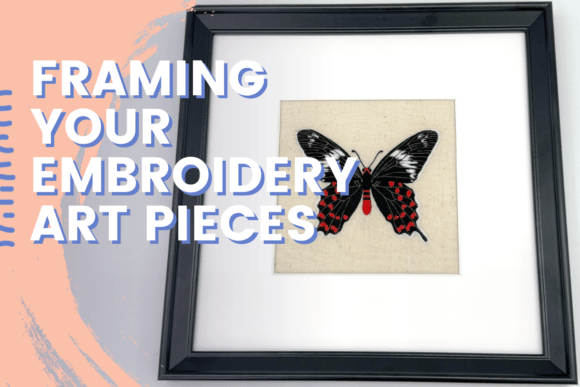
- Home Decor: Framed embroidered vintage postcards make excellent wall art. They are lightweight, easy to ship, and perfect for seasonal collections or holiday gifts.
- Personalized Gifts: Using family photos or vintage images relevant to the recipient’s heritage can create deeply meaningful custom apparel or framed keepsakes.
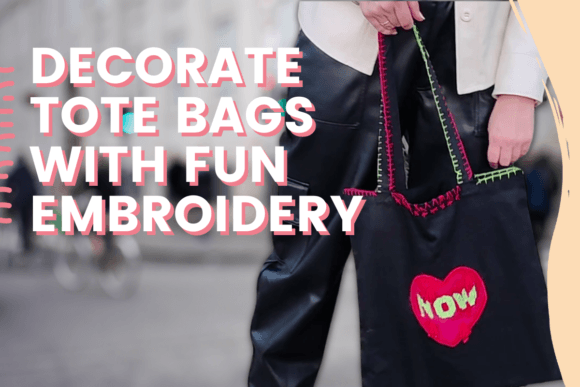
- Tote Bag Design: While you cannot directly embroider a paper postcard onto a bag, the technique of combining beadwork with embroidery can be adapted to canvas tote bags for a bohemian, artisanal look.
- Pillow Covers: Incorporating vintage-inspired motifs with bead accents can elevate a simple linen pillow cover into a luxury home accessory.
It is important to note that this product is categorized under Classes. Therefore, it is best suited for sellers who want to learn a new skill set to create unique, low-volume, high-margin items rather than those looking for a digital embroidery file to run on an automated production line. However, the inspiration gained from Julia Shore’s teaching can influence how you approach other projects, such as sweatshirt embroidery or baby blankets, by encouraging the use of mixed media and texture.
Commercial Value and Buyer Perception
From a buyer’s perspective, products created using techniques from Embroidery and Beading on Vintage Postcards feel more giftable and memorable. Online shoppers often scroll past generic items, but they pause for pieces that show intricate detail and human touch. The addition of beading adds a dimension of luxury and craftsmanship that justifies a higher price point. Furthermore, these items are easier to photograph for social media previews. The interplay of light on beads and the texture of thread creates dynamic visuals that perform well on platforms like Instagram and Pinterest, driving traffic to your Etsy listings.
For creative entrepreneurs, this translates to better brand positioning. By offering items that blend vintage charm with modern fiber art, you differentiate your brand from competitors who rely solely on standard commercial embroidery patterns. It signals to your customers that you are an artist, not just a manufacturer.
Practical Seller Notes and Considerations
Before diving in, there are several practical steps every seller should take. Since this is a class focused on technique rather than a ready-to-stitch digital embroidery file, you will need to adapt the lessons to your specific products. Here is my checklist for integrating this into your workflow:
- Test the Techniques: Before listing any products, create a sample stitch-out on your intended fabric. Practice the beading methods taught in the class to ensure they hold up to wear and washing if applied to apparel like caps or kitchen towels.
- Photograph on Real Fabric: Even if the class focuses on postcards, apply the learned aesthetics to textile mockups. Create a printable mockup or photograph actual samples to show potential buyers how the style translates to cloth.
- Check Readability: If you adapt the designs for smaller items like embroidered patches or baby embroidery, ensure the details remain visible. Complex beadwork may get lost at a distance, so consider scale carefully.
- Review Stitch Density and Hoop Size: If you are combining machine embroidery with hand beading, pay close attention to stitch density. Too dense, and the fabric may pucker; too loose, and the beads may not sit securely. Confirm the appropriate hoop size for your machine if you are digitizing your own companion patterns.
- Confirm Licensing: Always review the Creative Fabrica licensing terms for the class materials. Ensure you have the right to sell finished goods created using the techniques and any provided resources. Unlike a standard machine embroidery design license, class licenses can vary, so clarity is essential for commercial embroidery operations.
- Thread Colors and Stabilizer: Experiment with different thread colors to complement the vintage tones of your source images. Use the correct stabilizer to support the weight of the beads, especially on lighter fabrics like those used for kitchen towel embroidery or custom apparel.
In conclusion, Embroidery and Beading on Vintage Postcards is a valuable resource for sellers looking to add depth and artistry to their brand. It may not be the fastest route to high-volume sales, but it is an excellent investment for building a premium, distinctive product line. By mastering these techniques, you can create handmade products that resonate emotionally with buyers, turning casual browsers into loyal customers. Always confirm specific file formats, machine compatibility, and detailed license terms on the Creative Fabrica product page before finalizing your business plan.