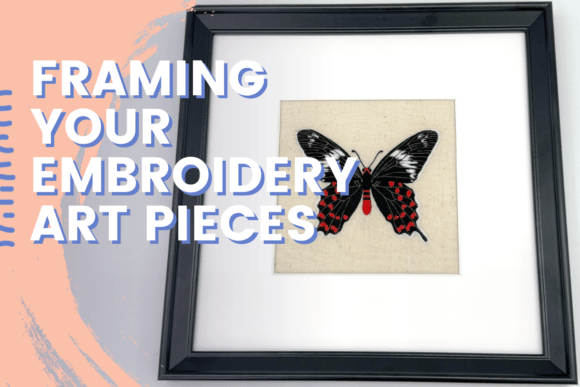
Framing Your Embroidery Art: A Designer’s Review
As an embroidery designer who spends countless hours digitizing and stitching, I am always on the lookout for resources that solve persistent technical challenges. One of the most common questions I receive from fellow crafters and small business owners is how to present finished work professionally without relying solely on the traditional hoop as a frame. This is where Framing Your Embroidery Art enters the conversation. After reviewing this resource from Creative Fabrica, I wanted to share my honest perspective on whether it delivers value for real-world commercial projects.
The product description highlights a specific pain point: keeping fabric smooth without an embroidery hoop. Maxine Scarlett Sapsford of StitchGothica.com guides users through techniques that go beyond basic stitching. For those of us selling on Etsy or at local craft fairs, presentation is everything. A wrinkled or poorly mounted piece can detract from even the most intricate machine embroidery design. This class promises to bridge the gap between raw stitching and polished art.
First Impressions and Visual Appeal
When I first explored Framing Your Embroidery Art, I was struck by its practical approach. It does not just offer a digital file; it offers a methodology. The visual mood is professional and instructional, focusing on the integrity of the final piece. For embroidery designers, this is crucial. We often obsess over stitch density and thread colors, but we sometimes neglect how the piece lives in the world after it leaves the machine.
The content feels tailored for those who want to elevate their brand. Whether you are creating a personalized gift or a batch of items for a boutique, the framing technique taught here adds a layer of sophistication. It moves the perception of your work from "homemade" to "handcrafted artisan quality." This shift in perception can significantly impact buyer trust and allow for higher pricing tiers in your shop.
Real-World Application for Commercial Projects
I evaluated this resource with several potential projects in mind. Consider a high-end tote bag design or a custom sweatshirt embroidery piece. Often, these items are sold flat or folded, which can hide the texture and depth of the stitches. By applying the framing concepts from this class, you can create display-ready samples for your online store or physical booth.
For sellers of embroidered patch designs, mounting is equally critical. A patch that lies flat and smooth looks more durable and valuable. The techniques discussed in Framing Your Embroidery Art can be adapted for various substrates. Imagine a nursery decor item, such as a framed name piece for a baby’s room. Parents are willing to pay a premium for items that look gallery-ready. This class provides the know-how to achieve that look without needing expensive custom framing services.
Additionally, for those creating printable mockup assets or digital products, understanding how light interacts with framed fabric can improve your photography. Better photos lead to higher conversion rates. If you are a digital product seller, you might even use these framing techniques to create new listing images that stand out in a crowded marketplace.
Technical Considerations and Fabric Challenges
While the concept is strong, practical execution requires attention to detail. When working with stretchy fabrics like jersey for custom apparel, keeping the material smooth during the framing process is tricky. The class addresses the importance of tension, which is vital. If you are using a fill stitch or dense satin stitch areas, the fabric may pull or pucker if not stabilized correctly before mounting.
I recommend testing these techniques on scrap fabric first. Do not attempt your first professional framing on a client’s expensive linen towel or silk pillow cover. Check your hoop size compatibility with the mounting method. Some framing styles require the fabric to be taut in ways that standard hoops do not support. You may need to experiment with different types of stabilizer to ensure the back of the embroidery remains clean and the front stays smooth.
Dark fabrics present another challenge. If the framing method involves adhesives or backing boards, ensure they do not show through lighter thread colors or cause discoloration over time. For items that need frequent washing, such as kitchen towels or baby blankets, verify that the framing materials are washable or that the design is intended for display only. Always clarify this with your customers to avoid disputes.
Enhancing Brand Consistency and Value
Consistency is key for any creative entrepreneur. Using a standardized framing technique across your product line creates a recognizable brand aesthetic. When customers see your finished product, they should immediately recognize your signature style. Framing Your Embroidery Art helps establish this consistency by providing a reliable method for presentation.
This also affects customer engagement. A well-framed piece invites closer inspection. It highlights the precision of your running stitch outlines and the vibrancy of your color choices. In a digital world, tactile appeal is hard to convey, but a photo of a perfectly framed embroidery piece suggests quality and care. It tells the buyer that you respect your craft and their investment.
Practical Tips for Implementation
To get the most out of this resource, keep these practical notes in mind:
- Test on Scraps: Always practice the mounting technique on leftover fabric before working on a sale item.
- Check Contrast: Ensure your thread colors pop against the background, especially when viewed behind glass or in a deep frame.
- Review Stitch Density: Highly dense designs may be stiffer and harder to mount smoothly. Adjust your digitizing if necessary.
- Confirm Hoop Size: Make sure the framing method accommodates the dimensions of your specific project.
- Use Proper Stabilizer: The right stabilizer prevents distortion during both stitching and mounting.
- Inspect Small Details: Look closely at tiny lettering or intricate applique design elements after mounting to ensure they haven’t been obscured.
Before selling any items created using techniques from this class, always review the license terms on the Creative Fabrica product page. While many resources allow commercial use of finished physical items, it is essential to confirm the specific rights associated with Framing Your Embroidery Art. Do not assume; verify.
Final Verdict
Is Framing Your Embroidery Art worth your time? For embroidery designers and handmade shop owners looking to elevate their presentation, yes. It solves a genuine problem—how to display soft goods with rigidity and professionalism. It is not just a tutorial; it is a tool for improving perceived value.
If you are serious about growing your commercial embroidery business or want to make your Etsy listings stand out, this class offers actionable insights. It encourages you to think beyond the stitch and consider the entire lifecycle of your product. By mastering the art of framing, you transform simple textiles into cherished decor. Just remember to practice, check your materials, and always prioritize the longevity of the piece for your customers.