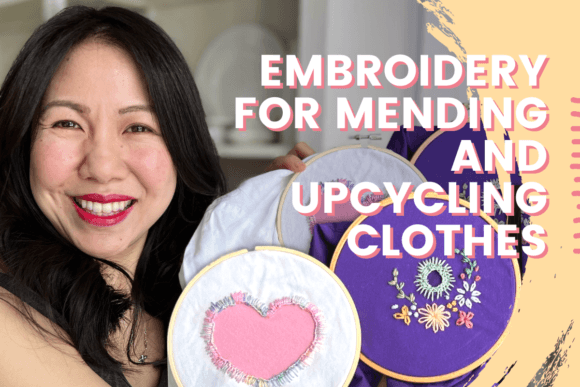
Review: Embroidery for Mending and Upcycling Clothes
As an embroidery designer who has spent years digitizing logos for boutique cafes, local florists, and handmade brands, I approach every new machine embroidery design with a critical eye. It is not just about aesthetics; it is about durability, brand consistency, and commercial viability. Recently, I evaluated Embroidery for Mending and Upcycling Clothes, a resource positioned within the Classes category, to determine its potential for small business merchandise and branded patch use. While the title suggests a focus on repair, the underlying techniques and visual language offer significant opportunities for creative entrepreneurs looking to elevate their custom apparel and small business merch.
First Impressions: A Rustic and Handmade Aesthetic
The immediate impression of Embroidery for Mending and Upcycling Clothes is one of warmth and authenticity. The description highlights the "beautiful art of embroidery as a means of mending," which signals a rustic, handmade, and organic visual personality. For businesses in the artisan sector—such as bakeries, pottery studios, or sustainable fashion labels—this aesthetic is gold. It moves away from the sterile, corporate look of standard uniform embroidery and embraces a narrative of care and longevity.
However, from a design review standpoint, this "mending" style implies irregular lines, visible texture, and perhaps a less rigid structure than traditional logo work. This feels friendly and approachable, but it requires careful handling to ensure it remains professional. The challenge lies in balancing the casual, upcycled vibe with the precision required for a recognizable brand identity.
Real-World Business Applications
When considering how Embroidery for Mending and Upcycling Clothes performs in real business scenarios, several applications stand out. This is not merely a decorative element; it is a strategic asset for customer engagement.
- Branded Patches: The organic nature of mending stitches works exceptionally well for embroidered patch production. These can be sewn onto canvas tote bags or denim jackets, serving as a tactile marker of quality.
- Staff Uniforms and Aprons: For a local coffee shop or florist, using these techniques on apron embroidery adds a layer of artisanal charm. It suggests that the staff cares about details, mirroring the care they put into their products.
- Tote Bag Design: As consumers move away from single-use plastics, a sturdy cotton tote with unique mending-style embroidery becomes a walking advertisement. The tote bag design benefits from the durability of thread, which lasts longer than printed ink.
- Customer Gifts: Small businesses often seek ways to thank loyal clients. A simple item, like a handkerchief or a small pouch, enhanced with these upcycling techniques, feels personal and high-value.
The key here is that Embroidery for Mending and Upcycling Clothes transforms a standard product into a story. When a customer sees visible, artistic stitching, they perceive a handmade product rather than mass-produced goods. This perception directly influences buyer engagement and allows for higher price points.
Technical Considerations for Production
While the aesthetic appeal is strong, the technical execution of Embroidery for Mending and Upcycling Clothes requires vigilance. Mending styles often involve complex textures and varying stitch density. If you are scaling this for commercial embroidery, you must consider the following constraints:
- Cap Embroidery Challenges: Curved surfaces like baseball caps are unforgiving. Detailed mending patterns can distort if the hoop size is not perfectly aligned or if the fabric stretches. I recommend testing the design on a curved cap buckram before full production.
- Small Patch Sizes: If you intend to create tiny labels or chest logos, ensure the design does not rely on fine details that may merge together. High-density stitching on a small scale can cause puckering.
- Fabric Texture: The interplay between thread and material is crucial. On rough canvases or thick denim, the thread colors must have high contrast to remain visible. On smooth silks or thin cottons, excessive density might damage the fabric.
- Washability: Items like uniforms and aprons undergo frequent washing. Ensure that the stitching technique used in the class or design file is secure. Loose ends or poorly anchored threads will unravel, damaging the professional image of your brand.
It is vital to note that since this product is categorized under Classes, it may teach techniques rather than provide a ready-to-stitch digital embroidery file. If you are looking for a plug-and-play solution for your machine, verify whether the course includes downloadable assets or if you need to digitize the designs yourself based on the lessons taught.
Enhancing Brand Identity and Trust
In today’s market, brand identity is built on trust and values. Using Embroidery for Mending and Upcycling Clothes signals sustainability. It tells your customers that you value repair over replacement, a message that resonates deeply with eco-conscious consumers. This alignment of values builds emotional loyalty.
Furthermore, consistency is key. If your shop features rustic wooden shelves and handmade ceramics, your merchandise should reflect that same earthy elegance. A glossy, plastic-looking print would clash, but textured embroidery complements the environment. This visual consistency reinforces professionalism and makes your brand instantly recognizable.
Practical Designer Notes for Implementation
Before launching any campaign using these techniques, follow these practical steps to ensure success:
- Test in Black and White: Before committing to colorful threads, stitch the design in black thread on white fabric. This reveals the structural integrity and spacing issues without the distraction of color.
- Check Licensing: Since this is an educational resource, confirm the commercial licensing terms. Can you sell items made using these techniques? Do you need attribution? Always clarify this before investing time in production.
- Create a Printable Mockup: Use digital tools to place the design on photos of your actual products. This helps visualize scale and placement, ensuring the design assets fit the intended garment.
- Use Proper Stabilizer: Mending techniques may require cut-away stabilizer for stretchy fabrics or tear-away for woven materials. The wrong stabilizer can lead to distortion or residue.
- Compare Beside Other Assets: Place the embroidered sample next to your existing logo and packaging. Does it harmonize? If it looks out of place, adjust the thread colors or scale to achieve visual balance.
In conclusion, Embroidery for Mending and Upcycling Clothes offers a compelling avenue for small businesses to differentiate themselves. It is not just a method for repair; it is a design philosophy that adds value, texture, and meaning to finished product lines. By carefully managing the technical aspects and aligning the aesthetic with your brand values, you can create merchandise that customers cherish and keep for years. Always verify the specific file formats and license details provided in the class materials to ensure a smooth transition from learning to earning.