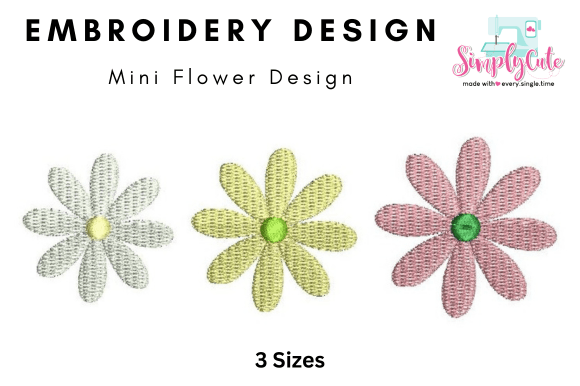
Review: Mini Small Flower Embroidery Design for Real Projects
As a designer who has spent countless hours digitizing and testing machine embroidery design files, I have learned that size is not just a measurement; it is a constraint that dictates quality. When I first loaded the Mini Small Flower Embroidery Design into my software, my immediate reaction was one of cautious optimism. In the world of Single Flowers, the difference between a charming accent and a messy blob often comes down to stitch placement and density management. This review breaks down how this specific embroidery file performs in real-world scenarios, moving beyond marketing hype to practical application for crafters and business owners alike.
First Impressions and Visual Personality
The aesthetic of this design is undeniably sweet and understated. It does not try to dominate the fabric with aggressive satin stitch widths or overly complex fill stitch patterns. Instead, it relies on clean lines and a balanced layout that suggests a hand-drawn quality. For those of us creating design assets for boutique branding, this subtlety is a strength. It creates a mood of gentle craftsmanship rather than industrial mass production.
When evaluating the visual personality, I look for clarity. Does the flower shape remain distinct when scaled down? In this case, the petals maintain their definition without merging into the center. This is crucial for embroidery project success, especially when working with textured materials where thread can sometimes sink or spread. The design feels versatile, fitting naturally into categories ranging from nursery decor to modern minimalist apparel.
Real-World Application: The Tote Bag Test
To truly understand the value of an embroidery file, you must imagine it on a physical product. I recently considered using this design for a custom tote bag design intended for a local farmer’s market vendor. The goal was to create a handmade product that felt personal but professional. Placing the Mini Small Flower Embroidery Design on the corner of a canvas tote allowed it to act as a subtle signature rather than a loud logo.
The result was effective. Because the design is small, it did not distort the heavy canvas fabric, a common issue with larger, denser designs. It added just enough visual interest to elevate a plain bag into a desirable small shop product. For Etsy sellers and creative entrepreneurs, this type of accent is invaluable. It allows for quick customization without consuming excessive machine time or thread, keeping production costs low while maintaining high perceived value.
Navigating Fabric and Hoop Constraints
While the design is adorable, it requires careful handling regarding hoop size and fabric choice. Small designs are notoriously tricky on stretchy fabrics like jersey or thin materials like silk. If you are planning sweatshirt embroidery or custom apparel using knit fabrics, proper stabilization is non-negotiable. I recommend using a cut-away stabilizer to prevent the stitches from puckering the fabric over time.
For baby embroidery projects, such as onesies or burp cloths, the softness of the thread matters as much as the design itself. Since this is a small motif, using a high-quality rayon or polyester thread will ensure the thread colors pop against the fabric without feeling stiff against sensitive skin. However, be cautious with very dark fabrics. If the design lacks sufficient contrast or uses light-colored threads on black material, the small details might get lost. Always test your thread color combinations on scrap fabric before committing to the final finished product.
Considerations for Curved and Textured Surfaces
Using this design on curved surfaces, such as caps or hats, requires precision. A mini flower can easily look distorted if the hoop is not aligned perfectly with the grain of the cap. Additionally, when working with textured fabrics like terry cloth towels or fleece blankets, the small details of the flower might sink into the pile. In these cases, using a water-soluble topping can help keep the stitches on the surface, ensuring the stitch density does not overwhelm the fabric texture.
Commercial Viability and Brand Consistency
For commercial embroidery and digital product sellers, consistency is key. This design fits well into a broader collection of Single Flowers because its style is neutral enough to pair with various fonts and other motifs. Whether you are creating holiday embroidery for Christmas ornaments or personalized gift items for weddings, the design maintains a professional appearance.
Buyer engagement often hinges on the perceived quality of the stitching. A clean, well-digitized small flower signals attention to detail. When customers see a crisp running stitch outline or smooth satin edges, they trust the maker’s skill. This trust translates directly to sales for craft business owners. Furthermore, using this design in printable mockup previews can help online shoppers visualize the scale and placement, reducing return rates and increasing confidence in the purchase.
Practical Designer Notes for Best Results
Before you start stitching, keep these practical tips in mind to ensure the best outcome with the Mini Small Flower Embroidery Design:
- Test on Scrap Fabric: Always run a test stitch-out on the same type of fabric you intend to use for the final project. This helps identify any tension issues or registration errors.
- Check Stitch Density: Review the design in your software to ensure the density is appropriate for your fabric. Too dense, and it will pucker; too sparse, and the fabric may show through.
- Contrast is Crucial: Ensure there is enough contrast between your thread and fabric. For dark fabrics, consider using a lighter underlay or brighter top threads to maintain visibility.
- Verify Licensing: If you plan to sell items made with this design, confirm the license terms. Some digital embroidery file creators allow commercial use for finished physical goods but restrict the resale of the digital file itself.
- Stabilizer Selection: Match your stabilizer to your fabric. Use tear-away for stable woven fabrics and cut-away for knits or stretchy materials to ensure longevity.
In conclusion, the Mini Small Flower Embroidery Design is a solid addition to any designer’s library. It is not just a cute graphic; it is a functional tool for adding subtle elegance to a wide range of products. By understanding its limitations and leveraging its strengths, you can create high-quality embroidered patch items, apparel, and home goods that resonate with customers. Remember, the best designs are those that enhance the fabric rather than fight against it, and this mini flower achieves that balance with grace.