Reviewing the Baby Feet Embroidery Design for Real Projects
As a designer who spends more time analyzing stitch paths than browsing social media, I approach every new machine embroidery design with a critical eye. It is not enough for a graphic to look cute on a screen; it must translate flawlessly onto fabric. Recently, I evaluated the Baby Feet Embroidery Design, a digital asset marketed toward birth announcements and nursery decor. My goal was to determine if this file holds up under the scrutiny of professional production, particularly for those of us running small shops or creating high-end personalized gifts.
First Impressions and Visual Personality
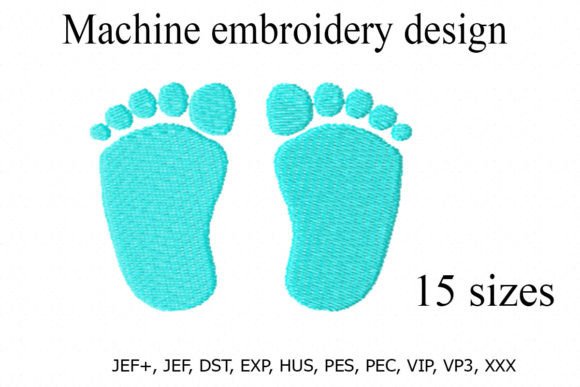
The initial appeal of this design lies in its simplicity. In the world of baby embroidery, less is often more. Complicated gradients and excessive detail can become muddy after washing, but clean lines tend to age well. This embroidery file captures the iconic shape of infant footprints with a balance of charm and clarity. The layout feels organic, avoiding the rigid symmetry that sometimes makes digital designs feel sterile. For projects targeting the Boys category, the neutral nature of the footprint motif allows for versatile color palettes, moving easily from traditional blues to modern earth tones or vibrant primaries.
The visual personality here is soft yet distinct. It does not rely on heavy shading or complex fill stitch work that might pucker delicate fabrics. Instead, it appears to utilize a combination of satin stitch borders and strategic internal detailing. This approach is crucial for maintaining the integrity of the image on items that will undergo frequent laundering, such as onesies and burp cloths.
Real-World Application: The Custom Sweatshirt Test
To truly understand the value of a design, you must imagine it in a specific context. I visualized using this pattern for a custom sweatshirt embroidery project for a client expecting twins. The challenge with sweatshirts is the texture; the looped surface of fleece or French terry can swallow small details. However, because the Baby Feet Embroidery Design relies on strong outlines rather than microscopic inner details, it stands out beautifully against textured backgrounds.
I also considered its use on a canvas tote bag design. For a boutique selling eco-friendly baby shower gifts, stitching this motif onto a natural cotton tote adds immediate perceived value. The contrast between the thread and the raw fabric creates a rustic, handmade aesthetic that appeals to modern parents. Whether used for a personalized gift or a small shop product, the design scales well. It is large enough to be seen from a distance but refined enough to look professional up close.
Navigating Fabric Challenges and Hoop Constraints
While the design is versatile, it is not without its technical considerations. Any experienced Etsy seller knows that fabric choice dictates success. When working with thin or stretchy materials like jersey knits for t-shirts, the stitch density becomes a primary concern. If the design is too dense, it will cause the fabric to gather or pucker around the edges. I recommend testing this file on scrap fabric first, specifically using a cut-away stabilizer for knits to provide lasting support.
For curved surfaces, such as caps or hats, placement is critical. The footprint shape is relatively compact, making it suitable for smaller hoop size applications, but one must ensure the digitizing accounts for the curvature. Stitching on a cap requires careful tension adjustment to prevent distortion. Additionally, when using dark fabrics, the choice of thread colors is vital. A low-contrast thread on navy or black fabric will render the design invisible. Always test your color combinations physically, as screen previews can be misleading regarding how light interacts with thread sheen.
Commercial Viability and Brand Consistency
For creative entrepreneurs, the question is always about return on investment. Does this digital embroidery file help sell products? The answer is yes, provided it is marketed correctly. Birth announcements are a evergreen niche. By incorporating this design into a line of custom apparel or home decor, you tap into an emotional market. Customers are not just buying a stitched image; they are buying a memory.
However, professionalism is key. Sloppy stitching ruins brand trust. This design’s clean lines make it easier to achieve a polished finished product, which enhances customer satisfaction. When creating printable mockup assets for your online store, ensure the digital representation matches the physical reality. Over-promising on detail can lead to returns. Since this design leans towards bold shapes rather than intricate photorealism, it is forgiving and reliable for high-volume production.
Practical Notes for the Embroiderer
Before committing to a full production run, consider these practical steps:
- Check the License: Confirm whether the file allows for commercial embroidery sales. Some designers restrict the number of finished items you can sell.
- Test Stitch Density: Run the design on a similar fabric to your final product. Look for pull-outs or gaps.
- Contrast Matters: Use high-contrast threads for visibility, especially on busy patterns or dark textiles.
- Stabilizer Selection: Match your stabilizer to the fabric weight. Heavy stabilizers on light fabrics can cause stiffness.
- Wash Testing: Wash and dry the test piece to check for thread breakage or fabric distortion.
In summary, the Baby Feet Embroidery Design is a solid addition to any design assets library. It balances aesthetic appeal with technical practicality. For those in the craft business looking for reliable, emotive motifs that perform well across various mediums—from embroidered patch creations to nursery pillows—this file offers a dependable foundation. Just remember that the magic lies not only in the download but in the thoughtful execution of the stitch.