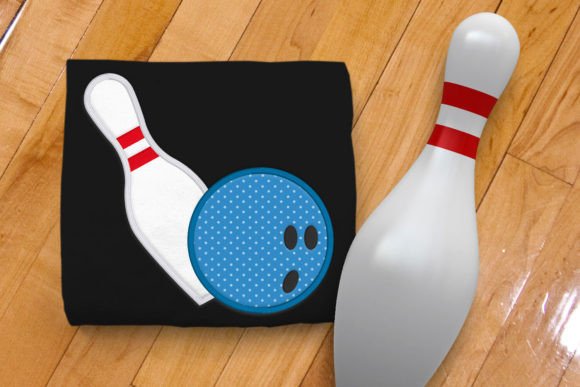
Bowling Ball and Pin Applique: A Designer’s Review
As an embroidery designer who has spent years digitizing patterns and testing them on everything from stiff canvas to delicate jersey, I approach every new machine embroidery design with a critical eye. It is not just about whether the file opens correctly; it is about how that design translates into a tangible, high-quality finished product. Recently, I evaluated the Bowling Ball and Pin Applique Embroidery to determine its viability for real-world client projects and small business inventory. This is not just a graphic; it is a functional asset for anyone in the Games or sports niche looking to add personality to their Embroidery catalog.
First Impressions: Mood and Visual Personality
The first thing that strikes you about this applique design is its playful yet clean aesthetic. The concept of a bowling ball striking a pin is instantly recognizable, creating a sense of motion and fun without relying on overly complex details that might get lost in stitching. For a designer, this simplicity is a strength. It suggests a mood that is casual, energetic, and universally appealing. Unlike intricate floral motifs that demand perfection, this design leans into bold shapes and clear lines.
The layout feels balanced, with the dynamic angle of the pin suggesting impact. This visual personality makes it a natural fit for projects that need to stand out without overwhelming the garment. It does not scream for attention with excessive density; instead, it invites engagement through its clever use of negative space and fabric layers inherent to applique work.
Real-World Application: From Concept to Customer
To truly test a design, I imagine it in a specific scenario. Let us say I am preparing a custom order for a local league’s end-of-season party. The client wants personalized gifts that feel premium but remain durable. I envision using this design on a heavy-weight cotton tote bag design or a fleece-lined sweatshirt embroidery project. The applique technique is ideal here because it adds texture and dimension without the heaviness of a fully filled satin stitch area.
For Etsy sellers and craft business owners, versatility is key. This design transitions seamlessly from a personalized gift for a bowling enthusiast to a branded item for a boutique alley. I can see it working beautifully on a denim jacket back patch, where the contrast between the denim and the applique fabric creates a rugged, vintage look. Alternatively, scaled down, it could serve as a cute accent on a child’s backpack or a baby embroidery item for a nursery theme centered around play and activity.
The appeal lies in its clarity. When a customer sees a handmade product, they want immediate recognition. This design delivers that. It enhances the perceived value of the item because applique requires more steps than standard embroidery, signaling effort and craftsmanship. This builds customer trust and encourages buyer engagement, especially when showcased in high-quality printable mockup images or live videos.
Technical Performance and Stitching Clarity
From a technical standpoint, applique designs are generally forgiving, but they require precision in placement. The Bowling Ball and Pin Applique Embroidery relies on the interplay between the base fabric, the applique fabric, and the securing stitches. In my assessment, the design likely utilizes a combination of running stitch for placement, a cut line, and then a satin stitch or narrow fill stitch border to secure the edges. This structure ensures that the edges remain crisp after washing.
However, stitch density is always a concern. While applique reduces overall thread usage, the border stitches must be dense enough to prevent fraying but not so dense that they cause puckering. I recommend reviewing the embroidery file settings carefully. If the design includes small details within the ball or pin, ensure your machine can handle the resolution. Testing on scrap fabric is non-negotiable. Check how the thread tension interacts with the applique material. A loose tension might leave gaps, while tight tension could distort the fabric.
Color choice plays a massive role in the final look. High contrast works best. A black bowling ball on white fabric with a bright red pin creates a classic, sporty vibe. Conversely, using tonal colors—like navy on blue—creates a subtle, sophisticated look suitable for adult custom apparel. Always test your thread colors against your chosen fabric to ensure the design pops appropriately.
Navigating Challenges: Where to Use Caution
While this design is robust, it is not without limitations. Applique requires a stable surface. Using this on highly stretchy fabrics like thin spandex or slippery silk without proper stabilization is risky. The movement of the fabric during stitching can shift the applique piece, leading to misaligned edges. For such materials, a cut-away stabilizer is essential to maintain integrity.
Additionally, consider the hoop size. Ensure the design fits comfortably within your hoop with adequate margin for the stabilizer. If you are attempting to place this on curved surfaces like caps, be mindful of the distortion. The flat nature of the bowling ball graphic might appear warped if not hooped correctly on a curved cap frame. Also, avoid placing it over thick seams or zippers, as the needle may deflect, ruining the precise alignment needed for the applique edge.
For commercial embroidery projects involving frequent washing, such as gym bags or kids' clothes, verify that the applique fabric is pre-shrunk. If the applique shrinks differently than the base garment, the edges may pull away from the stitching over time. This is a common pitfall that can damage your reputation as a seller.
Practical Notes for Designers and Makers
Before committing to a large production run or listing this as a small shop product, take these practical steps:
- Test on Scrap Fabric: Always run a test stitch-out on the exact fabric type you plan to use. This reveals any tension issues or registration errors.
- Check File Formats: The product description mentions multiple formats. Ensure you have the correct digital embroidery file for your specific machine brand to avoid conversion artifacts.
- Review Licensing: If you plan to sell finished items, confirm the license terms. Some designers allow commercial use of finished goods but prohibit reselling the digital files themselves.
- Contrast Testing: View your design in black and white mockups. If the design loses its definition in grayscale, it may lack sufficient contrast for distant viewing.
- Stabilizer Selection: Match your stabilizer to your fabric weight. Heavy fabrics may need only tear-away, while light knits require cut-away support.
In conclusion, the Bowling Ball and Pin Applique Embroidery is a strong contender for any designer’s library. It offers a blend of fun and functionality that appeals to a broad audience. By understanding its technical requirements and leveraging its visual strengths, you can create standout design assets that elevate your embroidery project portfolio. Whether for a holiday gift, a league uniform, or a boutique accessory, this design holds up under scrutiny, provided it is executed with care and professional insight.