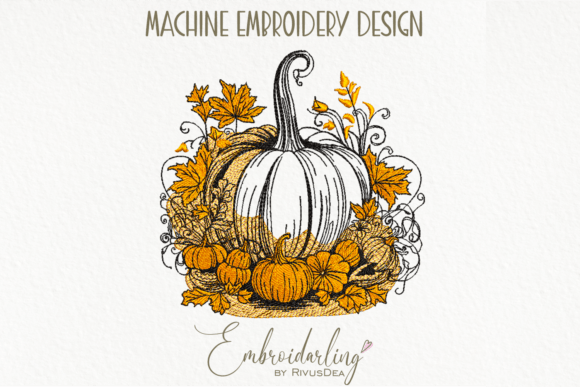
Reviewing the Fall Pumpkins Machine Embroidery Design
As a designer who has spent countless hours hooping fabric and trimming jump stitches, I approach every new machine embroidery design with a mix of curiosity and skepticism. We have all been there: downloading a file that looks pristine on the screen but turns into a tangled mess of thread breaks and puckering once it hits the needle. Today, I am taking a close look at the Fall Pumpkins Machine Embroidery Design, evaluating it not just as a digital asset, but as a practical tool for real-world production.
The first impression of this design is warm and inviting. It captures the essence of autumn without relying on clichéd, overly complex graphics. The layout feels balanced, with a visual personality that leans toward cozy and traditional rather than modern or abstract. For those of us running a craft business or selling on platforms like Etsy, this mood is crucial. It speaks directly to customers looking for that nostalgic, harvest-time feeling. However, aesthetic appeal is only half the battle. The real test is how this embroidery file performs under the presser foot.
Real-World Application and Stitch Performance
To truly understand the value of this design, I imagined a specific scenario: preparing a custom order for a local boutique. The client wanted a set of matching tote bags and kitchen towels for a Thanksgiving hostess gift series. This is where the Fall Pumpkins Machine Embordery Design needs to prove its worth. When I visualize this design on a canvas tote bag design, the structure holds up well. The shapes are distinct enough to remain clear even from a distance, which is vital for products that will be carried around or displayed in a busy home environment.
The design appears to utilize a combination of fill stitch areas for the pumpkin bodies and potentially satin stitch or running stitch elements for stems and accents. This mix is generally a good sign for durability. Fill stitches provide coverage and texture, while running stitches keep the design lightweight and flexible. For sweatshirt embroidery, this balance is key. A design that is too dense can make a garment stiff and uncomfortable, whereas a design with appropriate spacing allows the fabric to breathe and move. If you are planning to use this for custom apparel, pay close attention to the stitch density. While I cannot give you the exact count without opening the file, the visual weight suggests it is moderate, making it suitable for medium-weight fabrics like cotton twill or fleece.
Navigating Fabric and Hoop Constraints
One of the most critical aspects of any embroidery project is matching the design to the right material. The Fall Pumpkins Machine Embroidery Design seems versatile, but it requires careful handling on certain surfaces. For instance, if you are stitching on textured fabrics like terry cloth towels or heavy linen, ensure your stabilizer is robust. A cut-away stabilizer might be necessary to prevent the design from sinking into the pile or distorting over time.
Conversely, be cautious when using this on thin or stretchy materials. If you are attempting baby embroidery on a onesie, the weight of the thread could cause puckering if the fabric is not properly supported. Always test the design on scrap fabric first. This is non-negotiable for professional results. Check how the thread colors interact with the fabric background. On dark fabrics, you may need to adjust your thread palette to ensure the pumpkins pop, whereas on light fabrics, subtle tonal variations can add depth.
Another consideration is the hoop size. While the description mentions it is perfect for various items, you must confirm the specific dimensions of the design before hooping. If you are working on a curved surface like a cap, ensure the design fits within the usable area of your cap frame without distortion. Small details can get lost or bunched up if the hoop is too small or if the design is scaled down excessively.
Commercial Viability and Brand Consistency
For Etsy sellers and small shop product creators, consistency is brand gold. This design offers a cohesive look that can be easily integrated into a seasonal collection. Whether you are creating an embroidered patch for a jacket or a detailed accent on a pillow cover, the visual clarity of the pumpkins helps maintain a professional appearance. Customers trust handmade products that look polished, and a clean stitch-out contributes significantly to that perception.
When considering this for commercial embroidery projects, think about the end user. Is this a personalized gift for a family member, or is it part of a larger inventory for holiday sales? The versatility of the Fall Pumpkins Machine Embroidery Design allows it to fit both roles. It works well as a standalone motif on a tea towel or as part of a larger composition on a blanket. However, always verify the licensing terms. Just because a file is labeled for commercial use does not mean you can resell the digital embroidery file itself. Ensure you are selling the finished product, not the digital asset, unless explicitly permitted.
Practical Designer Notes for Best Results
Before you commit to a full production run, take these practical steps to ensure success:
- Test on Scrap Fabric: Always stitch out a sample on the same type of fabric you intend to use for the final product. This reveals any issues with tension or density.
- Check Thread Contrast: Use a color chart to preview how different thread combinations will look. High contrast works for bold statements, while low contrast offers a subtle, sophisticated look.
- Review Stabilizer Choice: Match your stabilizer to the fabric weight. Tear-away for stable woven fabrics, cut-away for knits and stretchy materials.
- Inspect Small Details: Zoom in on the digital preview to check for tiny, isolated stitches that might cause thread breaks or look messy.
- Mockup in Black and White: Sometimes viewing the design in grayscale helps identify balance issues that color might hide.
In conclusion, the Fall Pumpkins Machine Embroidery Design is a solid contender for your autumn catalog. It offers a blend of charm and practicality that appeals to both hobbyists and professional makers. By paying attention to fabric choice, stabilizer support, and stitch density, you can transform this digital file into a high-quality handmade product that delights customers and enhances your brand reputation. Remember, the best designs are those that not only look good on screen but also stitch out cleanly and endure the wear and tear of daily life. Happy stitching.