Reviewing Embroidery Digitizing and Pattern Quality
As a designer who has spent years staring at stitch maps and untangling thread nests, I approach every new embroidery digitizing project with a mix of curiosity and caution. When I downloaded this floral embroidery pattern from the Freebies section, I wasn’t just looking for a pretty picture. I was looking for structural integrity, logical stitch paths, and versatility. In the world of machine embroidery, a design is only as good as its final execution on fabric. This review breaks down how this specific digital asset holds up when moved from the screen to the hoop.
First Impressions: Mood and Visual Personality
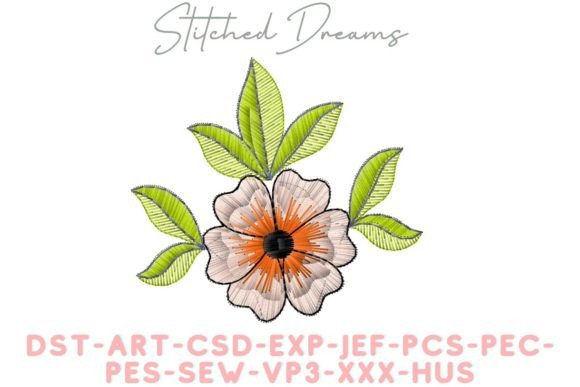
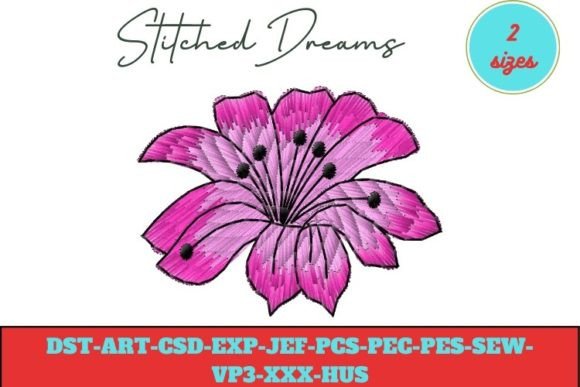
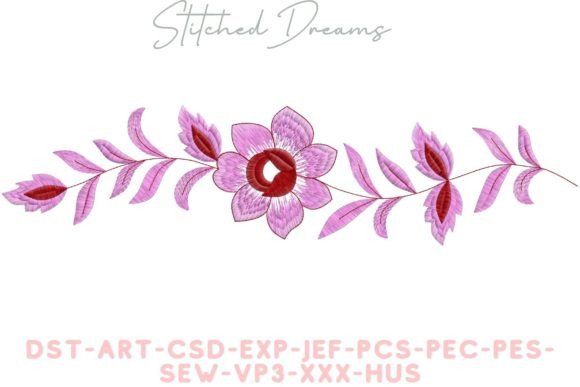
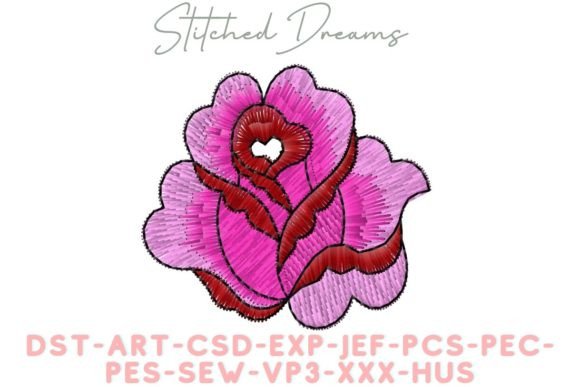
The moment I loaded the file into my editing software, the elegance of the flower design stood out. It captures a natural beauty that feels delicate yet intentional. The layout avoids the common pitfall of overcrowding; instead, it uses negative space effectively to let the petals breathe. For an experienced eye, the balance between satin stitch borders and fill stitch centers suggests a thoughtful digitizing process. The visual personality is soft and romantic, making it an immediate candidate for projects that require a touch of sophistication without being overly ornate.
This isn’t just a generic clipart conversion. The curves appear smooth, indicating careful node placement in the original vector work. For those of us creating design assets for clients, this level of detail matters. It signals professionalism before the needle even hits the fabric.
Real-World Application: From Screen to Stitch
To truly test the viability of this machine embroidery design, I imagined a real-life scenario: a custom order for a boutique client launching a line of organic cotton tote bags. The goal was to create a handmade product that felt elevated but approachable. I placed the floral motif on the lower corner of a heavy canvas tote bag design. The result was striking. The intricate details of the flower translated well onto the textured surface, proving that the stitch density was balanced enough to prevent puckering while still providing full coverage.
Beyond tote bags, I evaluated its potential for custom apparel. On a lightweight jersey sweatshirt embroidery project, the design required a cut-away stabilizer to maintain shape. Because the pattern avoids excessive bulk, it sat flat against the chest area, avoiding the "cardboard effect" that plagues poorly digitized files. This versatility makes it a strong contender for Etsy sellers and small shop products who need one reliable file to work across multiple garment types.
Versatility Across Product Lines
The adaptability of this digital embroidery file extends further than just apparel. Consider these applications:
- Baby Embroidery: Softened by pastel thread colors, this pattern works beautifully on onesies or burp cloths, provided the stitch count is checked for comfort against sensitive skin.
- Holiday Embroidery: With a simple color swap to reds and greens, it becomes a festive accent for kitchen towels or napkin sets.
- Embroidered Patch: The defined edges make it suitable for creating iron-on patches, adding value to jackets or backpacks.
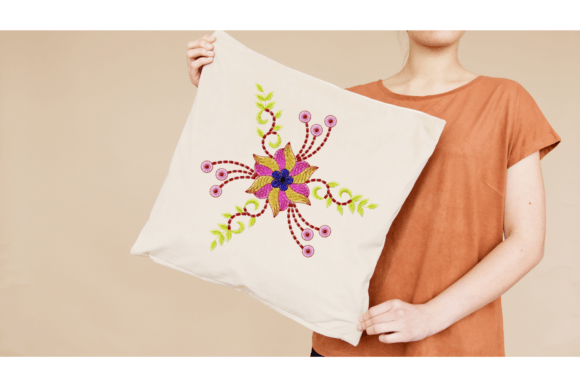
- Personalized Gift: Paired with a monogram, it elevates a simple pillow cover into a high-end personalized gift.
Technical Considerations and Fabric Constraints
While the design is robust, it is not without its limitations. As a reviewer, I must point out where caution is needed. The delicate nature of the petals means that on highly textured fabrics like terry cloth or thick fleece, some finer details might get lost. In these cases, increasing the stitch length slightly or choosing a contrasting thread colors scheme can help maintain visibility.
For stretchy fabric such as athletic wear, this design requires careful stabilization. Without proper support, the pull of the fill stitches could distort the garment. Similarly, when working on dark fabric, underlay stitches become critical. If the digitizer did not include sufficient underlay, you may see the fabric color peeking through the lighter top threads. Always run a test stitch-out on scrap material identical to your final product to verify this.
Curved surfaces present another challenge. Placing this floral motif on a cap or hat requires precise positioning. The center of the flower should align with the highest point of the crown to avoid distortion around the seams. If you are new to cap embroidery, start with a simpler version of the design or reduce the size to fit the limited hoop size available.
Enhancing Brand Value and Customer Trust
For craft business owners, the quality of your embroidery project directly impacts brand perception. A clean, well-digitized design like this one reduces production time and minimizes errors. Fewer broken needles and less thread trimming mean higher efficiency. More importantly, a crisp finished product builds customer trust. When a buyer receives a item where the stitches are uniform and the design is clear, they perceive higher value. This leads to better reviews and repeat business for commercial embroidery ventures.
Using high-quality printable mockup tools to showcase this design before stitching can also boost engagement. However, ensure the mockup accurately represents the stitch texture. Customers appreciate transparency, and showing real photos of the stitched item alongside the digital preview bridges the gap between expectation and reality.
Practical Designer Notes for Best Results
Before you commit to a large production run or list this as a small shop product, follow these practical steps:
- Test on Scrap Fabric: Never skip this step. Use the same fabric and stabilizer combination you plan to use for the final item.
- Check Thread Contrast: View the design in black and white to ensure the details remain visible without color reliance.
- Review Stitch Density: If the design feels too stiff, consider reducing the density in your editing software if you have the rights to modify it.
- Confirm Hoop Size: Ensure the design fits comfortably within your machine’s hoop, leaving room for clamping.
- Inspect Small Details: Zoom in on the petal tips. Are there jump stitches that need trimming? Plan your cleanup process accordingly.
- Verify Licensing: Since this was found in a Freebies category, double-check the license terms. Can you use it for commercial embroidery? Can you sell the finished product? Clarify this before listing items on Etsy or other marketplaces.
In conclusion, this embroidery pattern offers a blend of aesthetic appeal and functional design. It serves as a solid foundation for various embroidery applications, from baby embroidery to boutique apparel. By understanding its strengths and respecting its technical requirements, you can leverage this asset to create stunning, professional-grade items that resonate with your audience. Whether you are a hobbyist or a seasoned Etsy seller, this design deserves a spot in your library, provided you approach it with the precision it demands.